Discontinued plastic parts
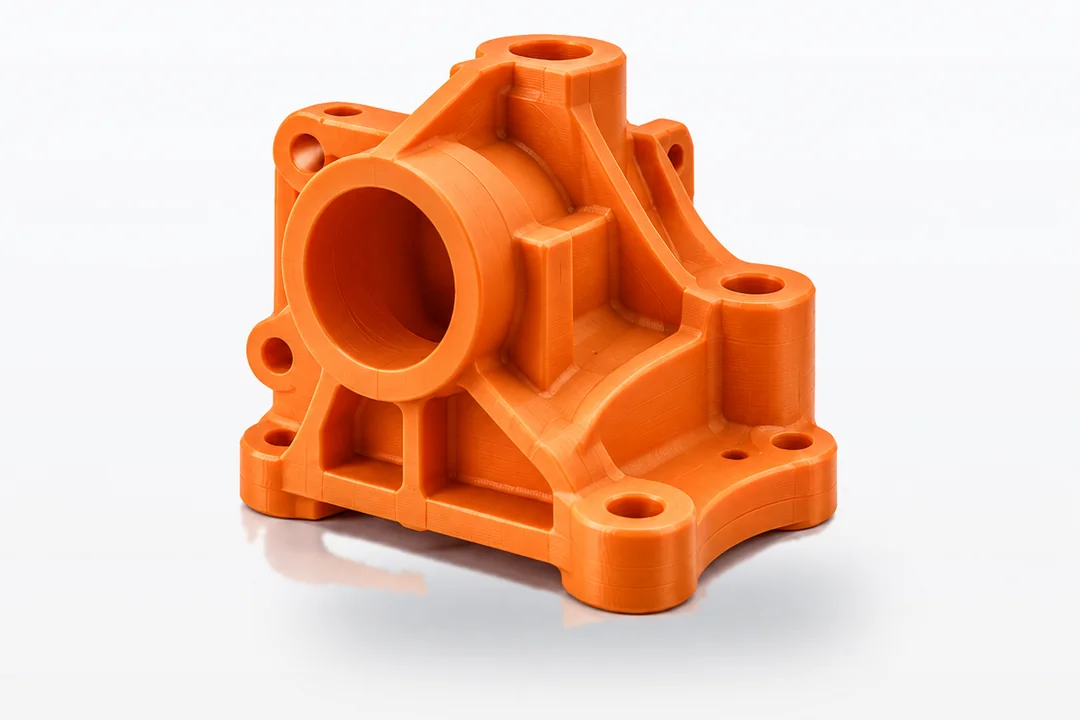
Clips, spacers, housings, covers and mounts no longer available from suppliers.
When a replacement is unavailable or a manufacturer no longer supports a component, an existing part can be the starting point for a new design.
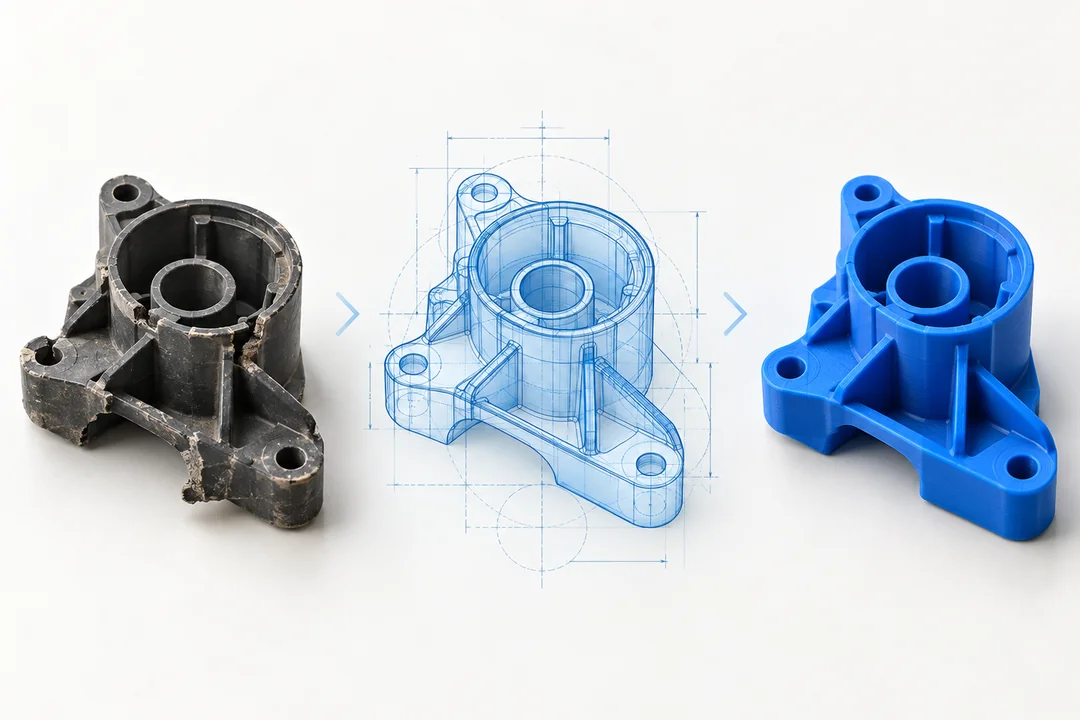
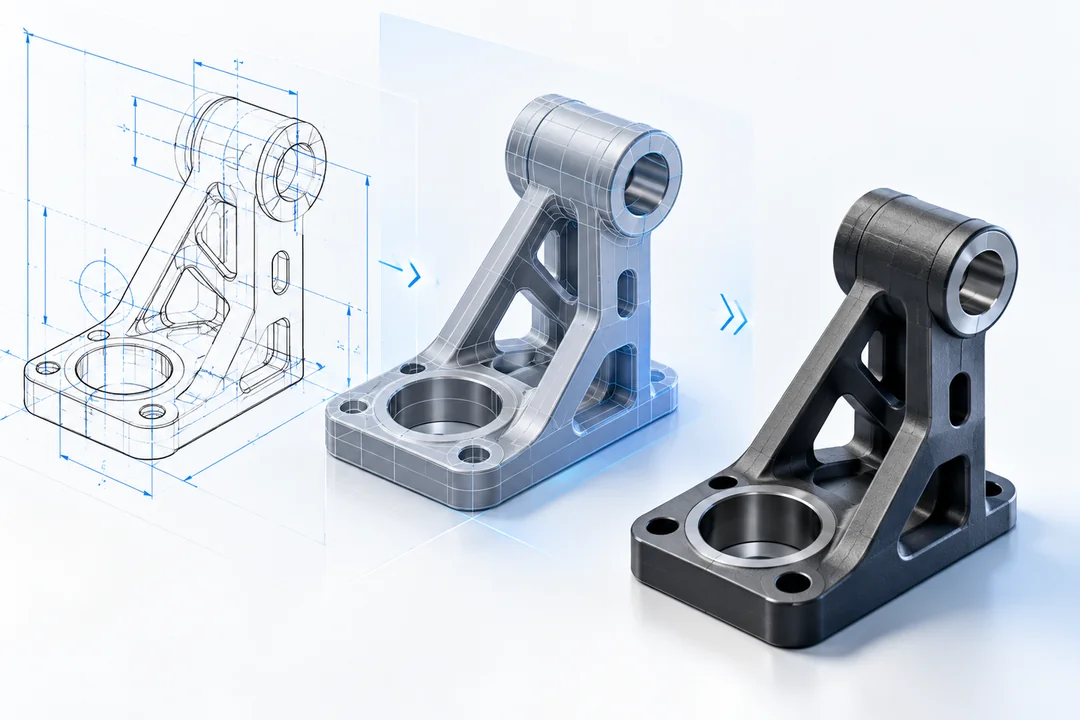
We assess the original component, capture relevant geometry through measurement and available scanning techniques, rebuild a CAD model, and produce a test part when appropriate. Functional surfaces and intended service conditions matter more than simply matching an object’s appearance.
Get a project-specific quote ↗Every project is reviewed for practical fit, material and manufacturability.
Clips, spacers, housings, covers and mounts no longer available from suppliers.
Rebuild geometry where enough undamaged references and dimensions exist.
Create an updated part to fit an existing machine, fixture or assembly.
Discuss fit, wall thickness or print-oriented features during reconstruction.
We plan the work around your goals and agreed scope.
Review the original part, photos, measurements and functional requirements.
Take measurements and, when useful, use scanning as a reference rather than assuming scan data is perfect.
Model the geometry and review critical interfaces and tolerances.
Print a sample where needed, test fit with the actual assembly and refine.
Project requirements are confirmed during quoting, not assumed from a general capabilities page.
Answers to common questions about Reverse Engineering. If your project is unusual, contact us to talk through the details.
Having the original typically provides the most reliable reference. For simpler parts, detailed photos and measurements may be enough to start an evaluation. Complex mating geometry often requires a physical sample or dimensional data.
Potentially. We can infer missing features when the remaining geometry, matching components, symmetry or other references provide enough information. The resulting design may require a test print and fit adjustments.
Both may be used. We select the method based on the part’s size, surface, complexity and accuracy needs. Scan data often requires cleanup and measurement-based verification before it becomes useful CAD geometry.
We aim to match the relevant geometry and function, but an exact copy cannot be guaranteed. Printing technology, material properties, measurement uncertainty and wear on the reference all affect the result. We discuss critical tolerances before accepting a job.
Many discontinued plastic parts are good candidates, especially when a physical reference is available. We assess fit, loading, temperature, exposure and other application requirements to determine whether 3D printing is appropriate.
We can evaluate potential changes such as reinforcing features, adjusting thickness or choosing a different material. Improvements are engineering proposals subject to testing; they are not automatically guaranteed to perform better.
Suitability must be assessed case by case. We do not automatically certify reverse-engineered or FDM printed parts for safety-critical, regulated or high-load applications. For those uses, additional engineering analysis, material testing or another manufacturing method may be necessary.
Complexity, part condition, access to reference dimensions, CAD reconstruction effort and prototype iterations are the main factors. Send photos and details for a review and project-specific estimate.
For a replacement-part evaluation, include clear photos from several angles, overall dimensions, how it attaches, what failed and whether the original part is available.
A single project can involve several of our services.
Have a model ready—or just a rough idea? Tell us about the project and we'll help identify the next step.